Best Crypto Debit Card for UK Users in 2026 — Low Fees, No Nonsense
The CryptoCardIndex editorial team covers crypto card news, reviews, and comparisons.
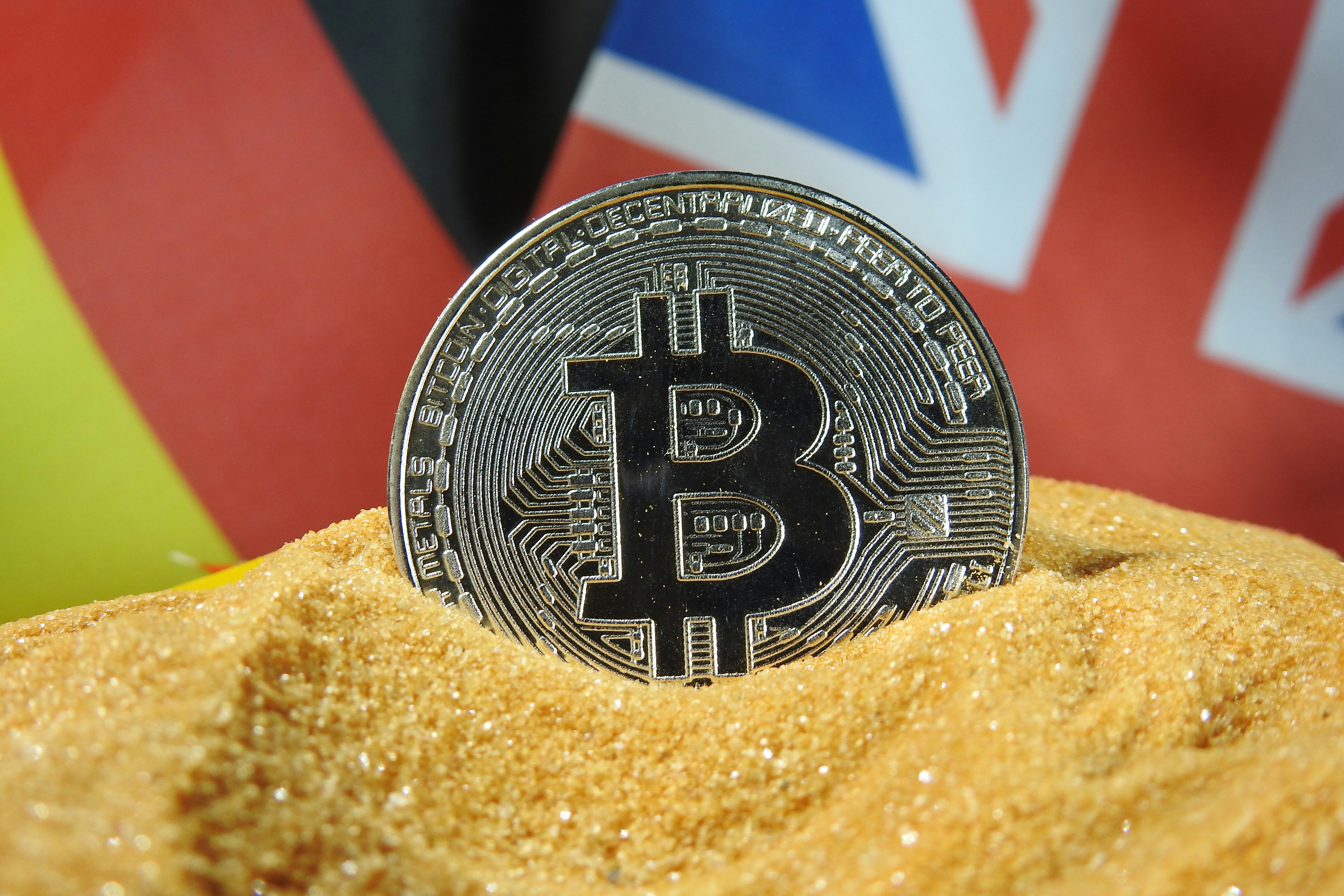
Best Crypto Debit Card for UK Users in 2026 — Low Fees, No Nonsense
Finding a decent crypto debit card as a UK resident used to be simple enough. Then the FCA started pushing harder on crypto providers, several cards quietly stopped accepting UK signups, and the whole market reshuffled. If you tried to get a crypto card in the last year or so and kept hitting walls — that's why.
The good news is, there are still solid options available to UK users in 2026. The bad news is that some of them come with fees or staking requirements that only make sense if you read the small print carefully. This guide is meant to cut through that.
What changed for UK crypto card users
The Financial Conduct Authority has been issuing compliance notices to crypto businesses since 2023, and the knock-on effect for consumers was noticeable. A few providers that were popular with UK users — particularly those offering cards without much KYC — either exited the UK market entirely or paused new UK registrations while sorting out their licensing situation.
On the flipside, the providers who stayed and got properly registered are, generally speaking, more robust. You're dealing with companies that have actual regulatory accountability now, which is meaningful when your money is involved. Our individual card reviews include FCA registration status for each provider that serves UK customers.
The fees that catch people off guard
There's a pattern we keep seeing. A provider advertises "no fees on crypto spending" and that's technically true — but then there's a 1.5% spread baked into the conversion rate, plus a £4.99 monthly "maintenance" charge if you don't hit a minimum spend threshold.
For UK users specifically, a few costs deserve extra attention:
GBP conversion fees. Most crypto cards settle in USD or EUR internally, then convert to GBP. That conversion can cost anywhere from nothing to about 2%, depending on the provider and the day. Some cards fix this by holding GBP balances directly.
ATM withdrawal fees. The UK is actually pretty cashless compared to a lot of Europe, but ATM access still matters. Standard crypto card terms give you somewhere around £200 free per month, with 2% charged after that. A couple of providers have been more generous with UK users specifically — up to £500-£600 free — which is worth factoring in if you withdraw cash regular.
Foreign transaction fees. If your travelling to Europe or the US (which, statistically, a lot of UK crypto users do), you'll want to know what the card charges for non-GBP transactions. Some cards absorb this entirely. Others charge 1-2% on top of the conversion. Check the full fee comparison table on our site before committing.
Cards that actually ship to the UK in 2026
Not every card on a "best crypto cards" list will actually be available to UK residents. We've filtered our main comparison page by UK availability, so you can skip the ones that aren't applicable. But a few general observations:
Cards issued through Mastercard or Visa's UK network tend to have the smoothest experience — they work everywhere, contactless and chip-and-pin both, no issues at major UK retailers or petrol stations. Some newer DeFi-adjacent cards still have friction at certain point-of-sale terminals, worth knowing.
Virtual card issuance — getting a card number instantly without waiting for physical delivery — is now available from most major providers. Useful if you want to start using the card for online purchases while the physical one is in the post.
GBP balances vs. instant conversion
There are broadly two approaches crypto cards take. Either you hold a GBP balance on the card and top it up yourself (converting crypto when you choose), or the card does an instant conversion at the moment of each purchase. Both models have trade-offs.
The hold-GBP approach gives you control over when you convert, which matters if you're trying to time the market or avoid converting during a dip. The instant-conversion approach is more conveniant in practice — you don't have to think about it, you just spend. But you're at the mercy of whatever rate the provider uses at that exact second, and as we mentioned, spreads vary a lot.
For most people spending under £500 a month on a crypto card, the difference between these models works out to maybe £5-10 over the course of a month. Not nothing, but not a dealbreaker either. If you're spending significantly more, the GBP-hold model probably worth the extra effort.
Cashback on UK crypto cards — realistic expectations
Several cards advertise cashback rates that look great on paper. 2%, 3%, even 5% in some cases. But there's almost always a condition: you need to stake a certain amount of the provider's native token, and the cashback itself is paid in that same token.
We looked at this in detail in our cashback comparison article. The short version for UK users: unless you're already holding and believing in that token anyway, the cashback rarely outweigh the risk of the staked amount losing value. A 0% fee card with no staking requirement will beat a "5% cashback" card for most spending patterns.
There are a couple of cards that offer flat-rate cashback in BTC or USDC without any staking requirement. Those are worth a look if cashback is a priority — we've flagged them in the comparison table.
Apple Pay and Google Pay for UK users
UK adoption of mobile payments is among the highest in Europe, so this matters more here than in a lot of markets. Most major crypto cards now support Apple Pay and Google Pay for UK users, but there are exceptions — particularly some of the newer cards from exchanges that are still expanding their UK product.
If mobile payment compatibility is non-negotiable for you (and honestly for daily use in the UK it kind of is), we have a full breakdown of which crypto cards support Apple Pay and Google Pay with UK-specific notes.
How we'd approach picking a card as a UK user
First question: do you want the card as a primary spending card, or more as a backup for crypto you want to liquidate gradually? That changes the calculus quite a bit.
For a primary card, you want zero or near-zero conversion fees, GBP compatibility, Apple/Google Pay, and ideally no minimum spend requirement. For a liquidation card, fee structure on the conversion side matters more than the spending perks.
Either way, start with the full card index filtered to UK availability. Read the fee schedule on the provider's own site — not just our summary, because terms do change — and check their FCA registration before putting significant funds through any card.
For context on how UK options compare to the broader European market, see our piece on best crypto cards in Europe with low fees. And if you're specifically interested in cards that work across multiple countries, including when you travel, the worldwide crypto card guide is a useful next read.
Last updated: April 2026. Regulatory status and card terms change — always check the provider's site and FCA register before applying.
Rate this article
How useful was this article?
Compare All Crypto Cards
Find the best crypto prepaid card for your needs — compare fees, cashback, and KYC requirements.
Compare 30+ Cards